Benefits, Safety Tips & What to Pack
Celebrating National Baby Swimming Week (1st–7th September), the perfect time to dive into your baby swimming journey.
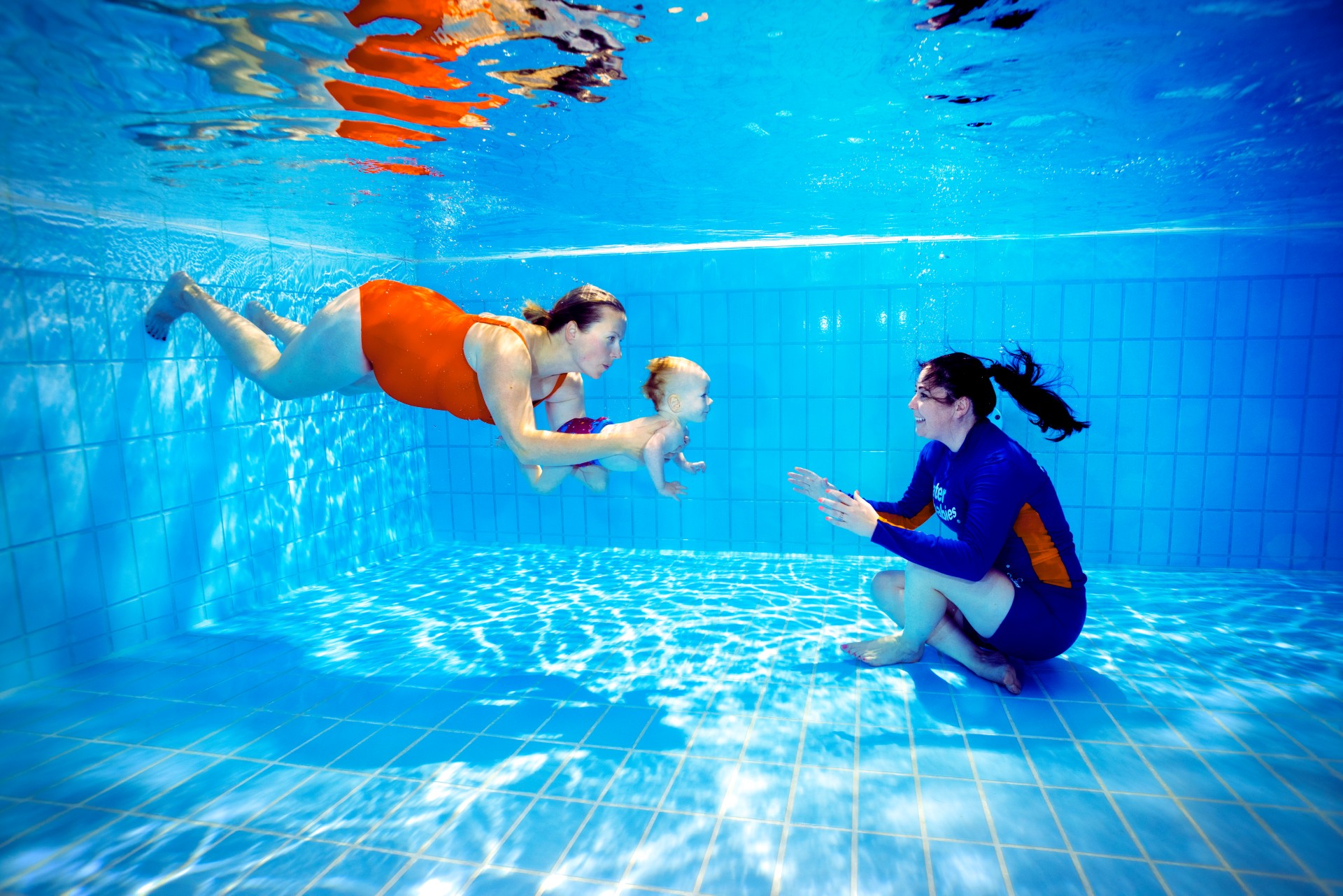
Swimming with your baby isn’t just about introducing them to water; it’s about building confidence, boosting health, and creating family memories that last a lifetime. From motor skills and brain development to bonding and even better sleep (parents everywhere rejoice!), baby swimming has countless benefits.
With National Baby Swimming Week taking place from 1st–7th September, now is the ideal time to explore baby swimming classes and discover how you and your little one can enjoy the water together.
What Are the Benefits of Baby Swimming?
1. Baby Swimming Supports Physical Development
The gentle resistance of water helps babies strengthen muscles, improve coordination, and develop motor skills in ways that land-based activities can’t match. Because water supports their body weight, babies can explore new movements earlier than on dry land.
Regular swimming is also linked to better cardiovascular health, stronger immune systems, and improved sleep patterns. Many parents also notice that the soothing effect of warm water helps calm babies and regulate their nervous systems.
2. Swimming Builds Emotional Bonds and Water Confidence
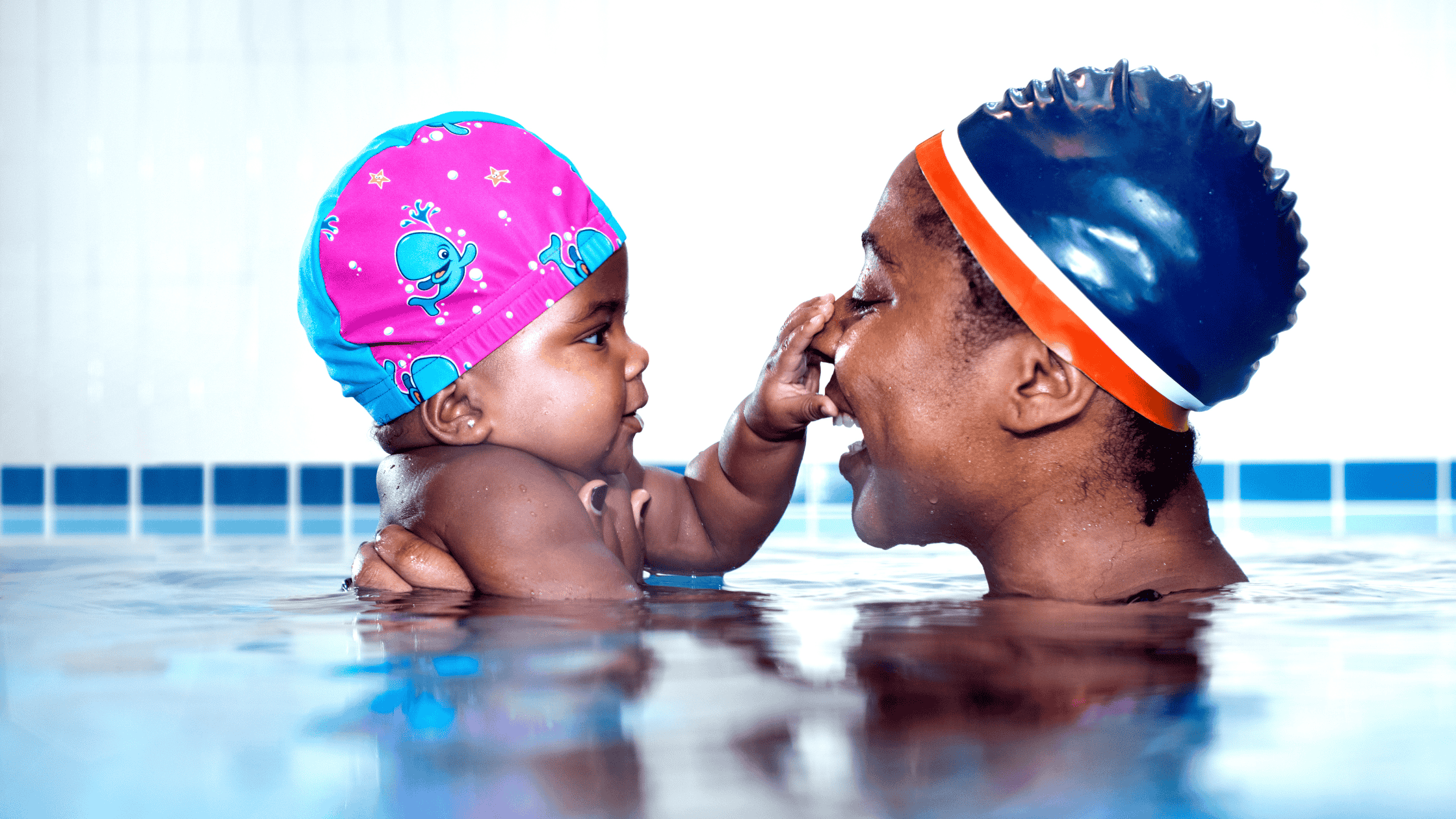
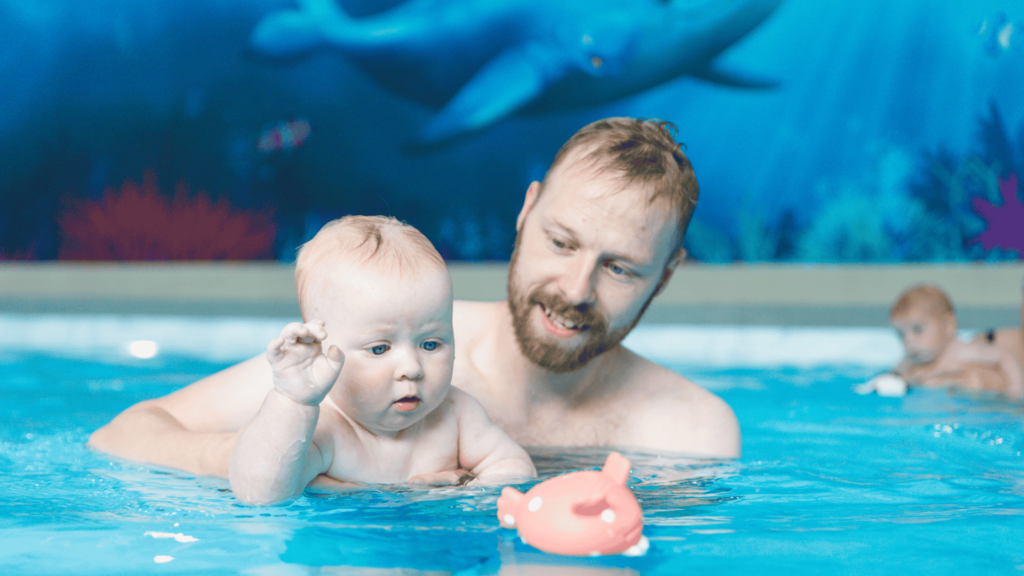
Baby swimming is about more than exercise, it’s a bonding experience. The skin-to-skin contact, eye contact, and shared play in the water create a secure environment where babies learn to trust and connect with their parents.
As one mum, Sarah, shared: “Swimming with my baby has been one of the most magical bonding experiences. The look of joy on her face in the water is something I’ll always treasure.”
This early confidence around water often leads to a lifelong love of swimming and makes children more relaxed and safe in aquatic environments.
3. Baby Swimming Boosts Brain Development
Swimming is a multi-sensory activity that stimulates brain development in unique ways. Babies experience the feel of water, the sound of splashing, the sight of light reflecting on the surface, and the sensation of movement all at once.
Research suggests that babies who swim regularly may show:
- Better spatial awareness
- Improved problem-solving skills
- Enhanced learning ability later in childhood
Baby Swimming Safety Tips Every Parent Should Know
Safety is at the heart of every baby swimming journey. Here are some essentials:
Choose the Right Environment
Opt for a clean, well-maintained pool with water temperatures between 28–30°C. Reputable swim schools like Water Babies offer purpose-designed lessons in baby-friendly environments.
Start Slowly and Follow Baby’s Cues
Keep first sessions short (10–15 minutes) and extend gradually. Always respond to your baby’s mood, if they’re hungry, tired, or unsettled, it’s best to pause and try again another day.
Always Supervise Closely
Your hands should always be supporting your baby in the water, and eye contact is key. Never leave your child unattended, even for a moment.
Stay Safe Poolside
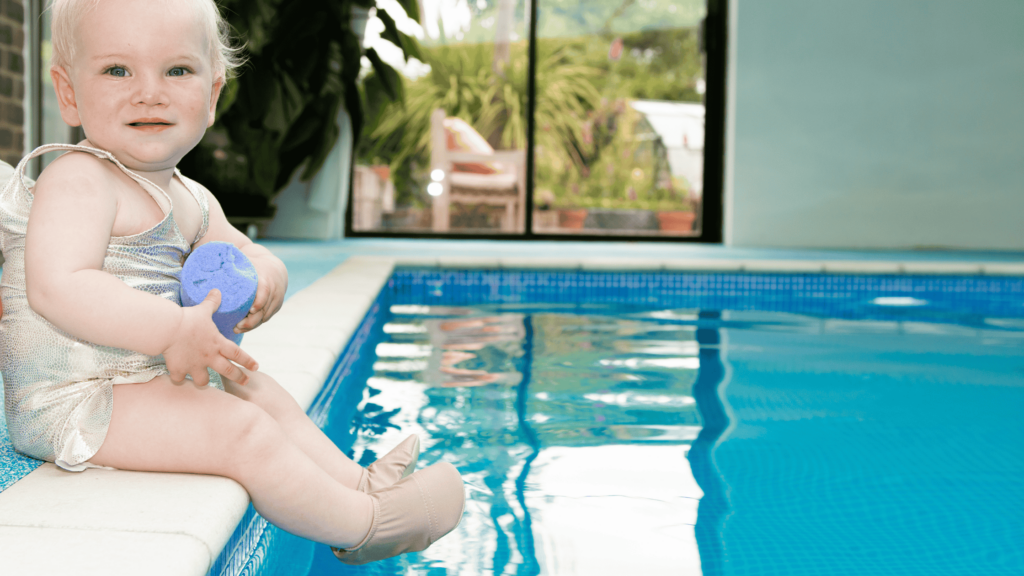
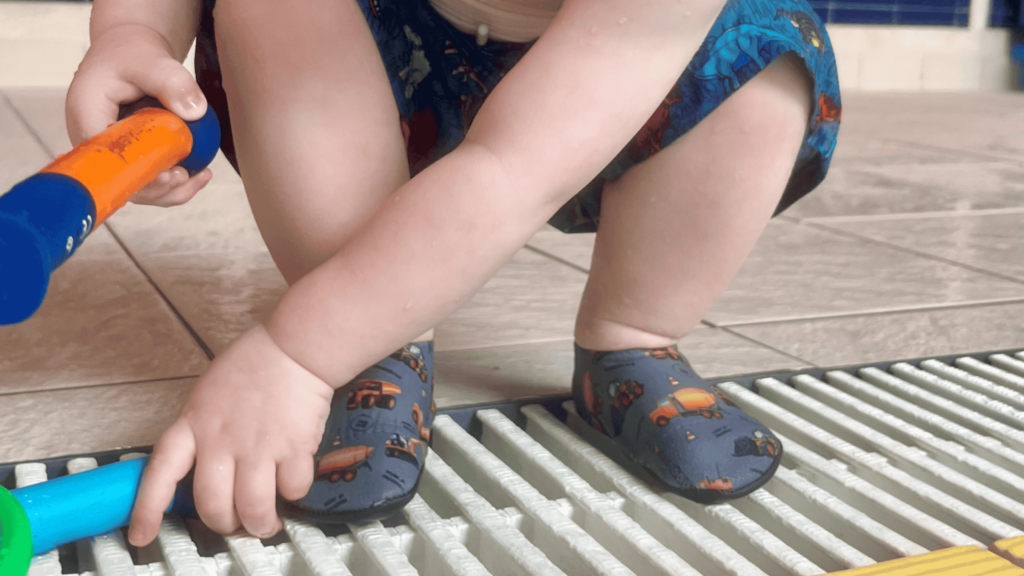
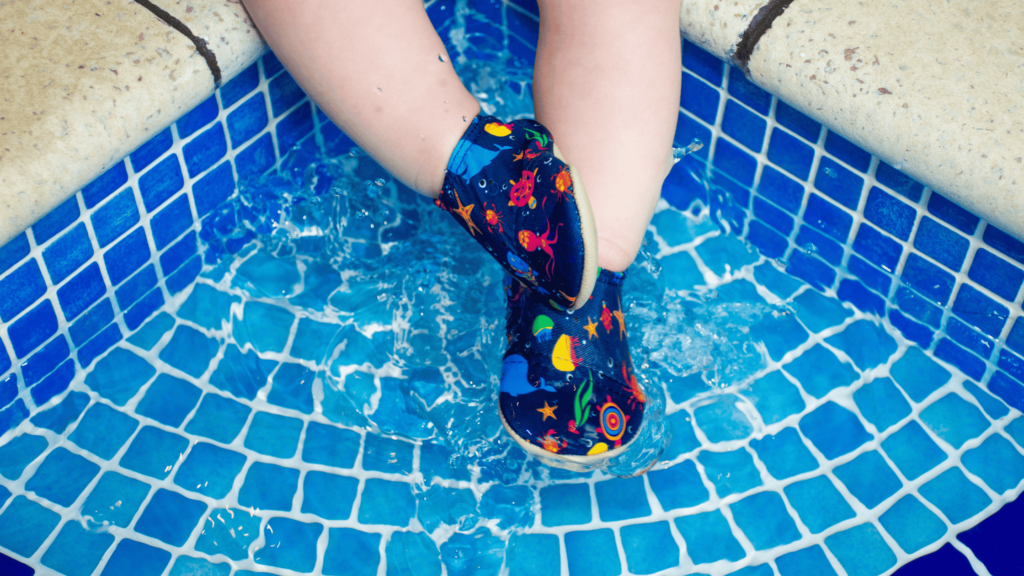
One overlooked aspect of baby swimming safety is the slippery journey from changing room to pool. Wet tiles and wriggly little ones can make this a challenge. That’s why many parents choose Slipfree® swim shoes, which feature ultra-grippy soles to reduce slips and falls around pools, changing areas, and splash pads. They also help protect little feet from verrucas and scrapes, while giving parents peace of mind.
Baby Swimming Packing List: What to Take with You
Packing in advance makes swimming sessions smoother and stress-free. Here’s a checklist:
- Swim nappies (disposable or reusable)
- Baby swimwear (and yours of course!)
- Slipfree® swim shoes for you and baby (safe grip on wet floors)
- Hooded towel or poncho towel to dry off quickly
- Easy-on clothes for after swimming
- Snacks, water or milk for after class
- Waterproof bag for wet items
When Can Babies Start Swimming?
Most swimming instructors recommend starting between 3–6 months, once babies have head control and their first immunisations. However, some classes (with medical approval) welcome babies as young as 6 weeks.
Remember: every baby is different. Some take to the water immediately, others need a few sessions to feel secure. Focus on fun and comfort, not milestones.
The Long-Term Benefits of Baby Swimming
Starting early can shape your child’s relationship with exercise and the water for years to come. Children who swim regularly often show:
- Better balance and coordination
- Greater confidence in physical activity
- Stronger parent-child relationships
- Healthier sleep routines
- Resilience against common illnesses
- A lifelong love of being active
As one dad, Mark, explains: “We started swimming with our son at 4 months. Not only is he now a strong swimmer, but the confidence he built in the water has carried into every sport he’s tried.”
Making Baby Swimming a Family Activity
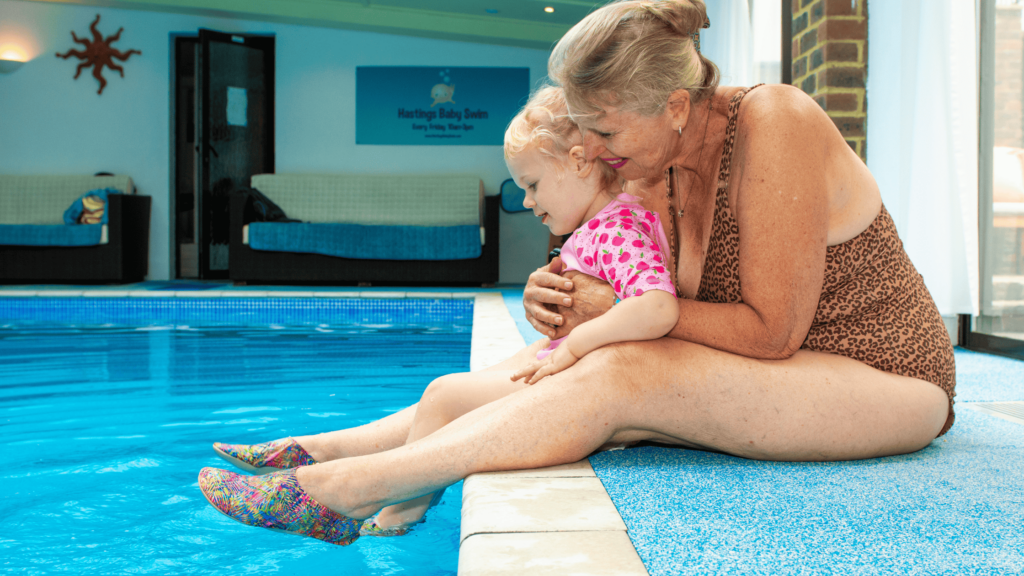
As your baby grows, swimming can become a wonderful family activity. Siblings, grandparents and other caregivers can join in too. This shared experience creates bonding opportunities for the whole family. Just remember, keep every step at the swimming pool safe with Slipfree® shoes, available in baby, kids, and adult sizes, so the whole family can enjoy a stress-free splash about.
Conclusion: Dive Into Baby Swimming with Confidence
Baby swimming is about more than exercise; it’s about giving your child confidence, boosting their development, and creating magical family moments.
This National Baby Swimming Week, why not take the plunge? Whether you join expert-led lessons with Water Babies or head to your local family pool, you’ll be giving your little one a gift that lasts a lifetime.
Slipfree® is proud to support families on their swimming journeys, helping parents and children feel safe, secure, and free to have fun in and around the water.
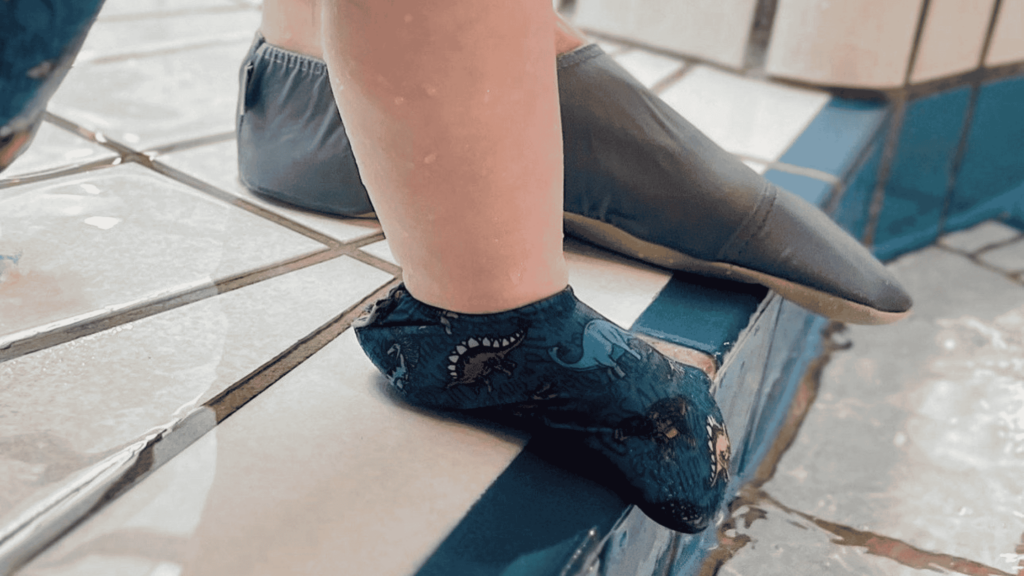
👉 Explore the full range of Slipfree® swim shoes for babies, toddlers, and adults, designed to keep every step safe, grippy, and worry-free.